Shorter days
Earlier indoor lighting and slightly earlier meals can mirror what many people notice in winter without claiming universal rules.
Nature chapter
Weather, daylight length, and ground underfoot change how a week feels. This page collects descriptive patterns you can test personally. It stays informational and does not address medical conditions.
Earlier indoor lighting and slightly earlier meals can mirror what many people notice in winter without claiming universal rules.
Outdoor time after work may shift toward morning or lunch depending on heat and air quality in your region.
Seasonal awareness
Instead of chasing a single ideal schedule, we note how clothing layers, commute brightness, and weekend plans already tell you something about capacity. Adjustments stay small on purpose so you can observe what repeats.
When storms or smoke appear, the page suggests flexible swaps: indoor mobility, filtered air breaks, or rescheduling strenuous walks without guilt language.
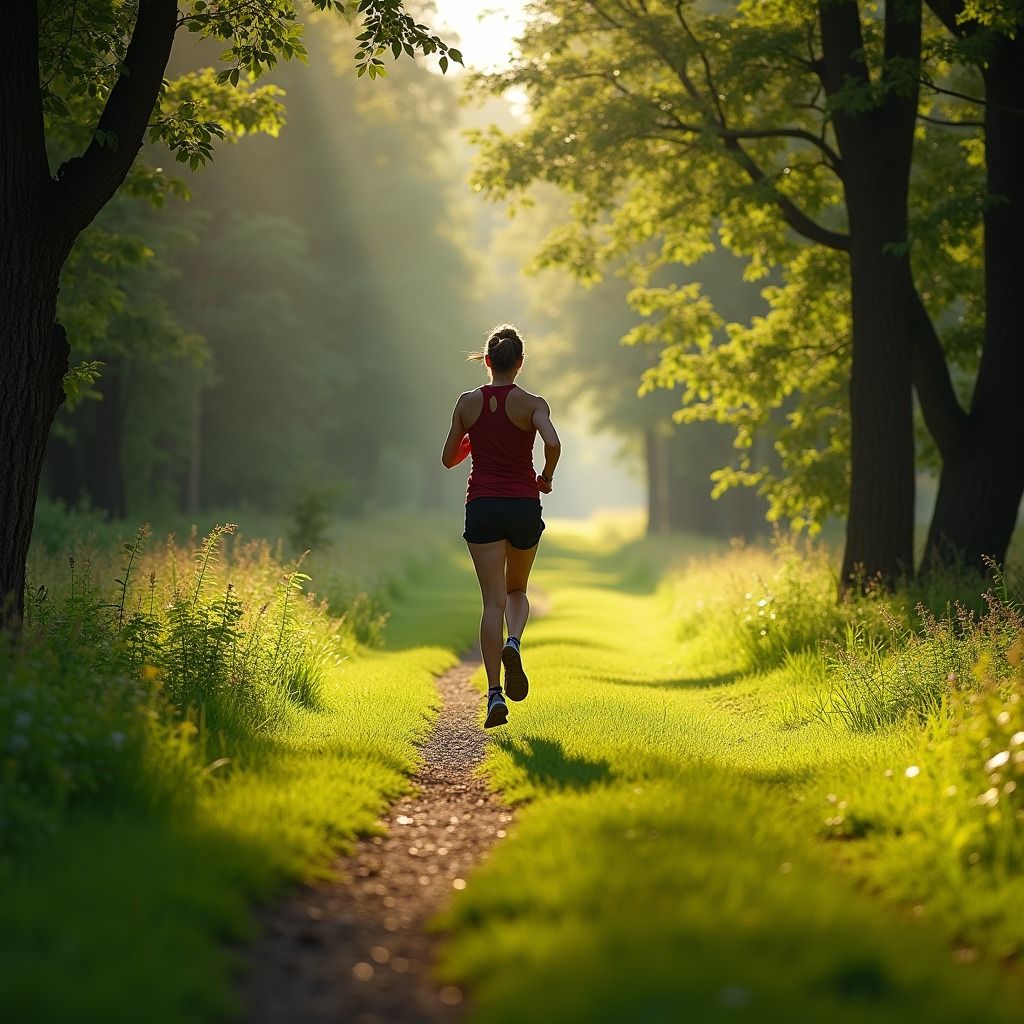
Walking as punctuation
A five-minute loop after video calls can mark the boundary between work focus and personal errands. The walk does not need to reach a step count; it simply creates a physical chapter break.
Where sidewalks are uneven or unavailable, pacing a hallway or stairwell offers a similar reset. We describe these options as practical alternatives, not requirements.
Standing barefoot on cool grass appeals to some people; others prefer shoes on firm paths. The emphasis stays on noticing temperature and texture rather than attributing effects we cannot verify here.
We answer questions about materials, pacing, and how sessions are structured.